 blog
Best Tirzepatide Research Grade Suppliers: 2026 Guide
Last Updated: October 23, 2026
Quick Summary
The best tirzepatide research grade suppliers are distinguished by verifiable documentation, above all a lot-specific certificate of analysis tied to a real independent third-party laboratory report. A COA without a lot number is not a COA, and price is secondary to testing, documentation, and shipping controls.
- A COA must show a lot number matching the vial label exactly, not a catalog number.
- Independent testing means a named outside lab with no shared ownership, staff, or address.
- A defensible COA reports purity by HPLC with chromatogram and identity by mass spectrometry.
- Two or more no answers on the ten-item supplier checklist should end the conversation.
- Weights in our scoring method put 25% on lot-specific COA availability and 20% on independent lab testing.
Table of Contents
- What Separates the Best Tirzepatide Suppliers
- Tirzepatide Certificate of Analysis: What It Must Contain
- Research Peptide Third-Party Testing and Independent Verification
- Step 1: Confirm the document is lot-specific, not catalog-specific
- Step 2: Confirm the testing laboratory is actually independent
- Step 3: Check that the analytical methods are named and appropriate
- Step 4: Cross-check dates, batch numbers, and report authenticity
- Step 5: Separate what the COA proves from what it does not
- A verification worksheet you can reuse
- Research-Grade vs Compounded Tirzepatide: A Critical Distinction
- Research Peptide Supplier Quality Checklist
- Pricing, Batch Consistency, and Shipping Integrity
- How Bluegrass Research Scores on Tirzepatide Supplier Criteria
- Conclusion
- Frequently Asked Questions
What Separates the Best Tirzepatide Suppliers
The best tirzepatide research grade suppliers are distinguished by one thing above all: documentation you can verify independently, not marketing language, but a lot-specific certificate of analysis tied to a real third-party laboratory report.
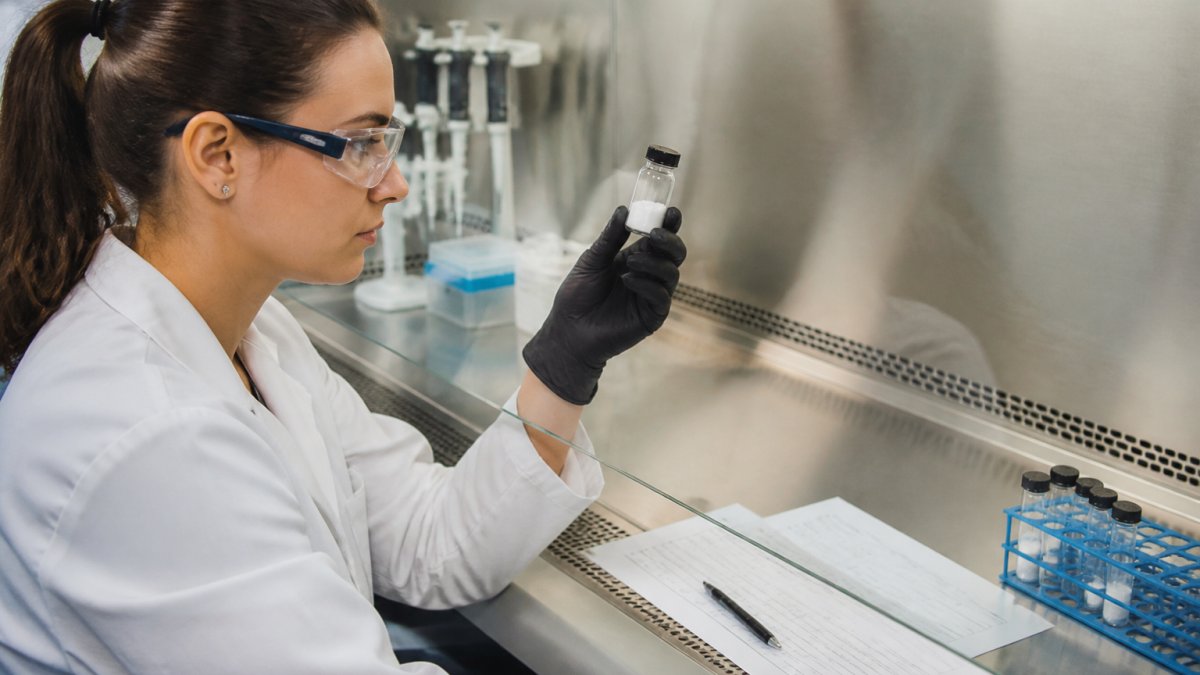
Anyone can print "99% pure" on a label. Very few can show the chromatogram behind that number, matched to the batch on the vial in your hand.
So when researchers ask us how to identify the best tirzepatide research grade suppliers, we point to a short list of non-negotiables:
- A lot-specific COA, not a generic document reused across batches
- Testing performed by an independent laboratory, not an in-house bench
- Purity and potency results reported with the analytical method named
Everything else, including price, is secondary. A cheaper vial with no verifiable paperwork is a variable you cannot control in an experiment.
Tirzepatide Certificate of Analysis: What It Must Contain
A tirzepatide certificate of analysis is a batch-specific document reporting the analytical results for one lot of material, including identity, purity, and testing method. A COA without a lot number is not a COA.
Here is what a defensible certificate should show:
| COA Element | What Good Looks Like | Red Flag |
|---|---|---|
| Lot number | Matches the vial label exactly | Missing or generic |
| Testing lab | Named independent laboratory | "In-house testing" only |
| Purity method | HPLC with chromatogram attached | A single percentage, no method |
| Identity confirmation | Mass spectrometry data | Identity not addressed |
| Date of analysis | Recent, tied to the lot | Undated or years old |
| Storage guidance | Specific temperature range | Vague or absent |
For a documentation-first walkthrough of how to read these documents without treating them as proof of every quality attribute, see our guide on research compounds with a certificate of analysis.
Research Peptide Third-Party Testing and Independent Verification
Research peptide third-party testing means an outside laboratory with no financial stake in the result analyzes the material and reports what it finds. A supplier grading its own homework tells you nothing you can defend.
Most supplier roundups repeat "third-party tested" and move on. The useful question is narrower: how do you verify a specific report for a specific vial using only information you can independently check?
Step 1: Confirm the document is lot-specific, not catalog-specific
A legitimate certificate of analysis (COA) identifies one manufactured lot, and its lot number must match the vial label, outer carton, and packing slip. If the only identifier is a catalog number or product name, the document cannot support your results if questioned.
Step 2: Confirm the testing laboratory is actually independent
Look for a named laboratory, not "in-house QC" or "our lab," then check for a public web presence, physical address, and a testing scope that plausibly includes peptide identity and purity work. Independence is also structural: if the lab shares ownership, staff, or a mailing address with the supplier, the analysis is not independent, even if performed off-site.
Step 3: Check that the analytical methods are named and appropriate
A defensible COA for a lyophilized peptide typically reports:
- Purity by HPLC (high-performance liquid chromatography), with the chromatogram attached or available on request, and the wavelength and gradient stated.
- Identity by mass spectrometry (commonly ESI-MS or MALDI-TOF), with the observed mass compared to the theoretical mass for the expected sequence.
- Appearance and solubility as descriptive attributes, not as substitutes for instrumental data.
A single purity percentage with no method, chromatogram, or mass confirmation is a marketing number, not analytical evidence.
Step 4: Cross-check dates, batch numbers, and report authenticity
Three checks catch most recycled or mismatched documents:
- Date alignment. The date of analysis should fall before the ship date and be recent relative to the lot. An undated report, or one dated years before the batch you received, is a red flag.
- Batch-number consistency. The lot number should appear identically on the COA, vial label, and packing documentation. Transposed digits or a different format usually means the paperwork was assembled from different sources.
- Report integrity. Ask whether the laboratory can confirm the report directly; many independent labs will verify a report number or lot on request. A supplier that discourages you from contacting the laboratory is telling you something.
Step 5: Separate what the COA proves from what it does not
A COA is a point-in-time snapshot of one lot. It does not prove sterility, endotoxin levels, or stability unless explicitly reported, does not prove the material is safe for human use, and does not prove the next lot will match. Batch consistency is a separate question, addressed by retaining historical COAs and comparing lot-to-lot results.
A verification worksheet you can reuse
Before ordering, request the COA for a recent lot and run the five steps above. On arrival, compare the vial label to the COA you were sent, confirm the lot matches, and file both together. If a supplier cannot connect a specific document to a specific lot, the testing claim is unverifiable.
Two resources help here. Our breakdown of identifying legitimate lot-specific COAs covers how to spot recycled or generic documents. For the deeper case on why batch-level documentation matters in practice, read lot specific COA importance in peptide research.
Research-Grade vs Compounded Tirzepatide: A Critical Distinction
Research-grade and compounded tirzepatide are not the same category of material. Research-grade peptides are sold for laboratory investigation only, with documentation supporting analytical characterization; compounded preparations are medicines prepared by a licensed compounding pharmacy for human use under a prescription.
This matters for procurement: if your compliance team sees a research chemical described in clinical language, the order stops. Research-grade material also often costs more because independent testing and lot-level documentation are not free; our guide on why research grade peptides cost more explains where that money goes.
Research Peptide Supplier Quality Checklist
Use this research peptide supplier quality checklist before placing any order. Score each item yes or no. Two or more "no" answers should end the conversation.
- Lot-specific COA provided before purchase, not after
- Independent laboratory named on the certificate
- Purity reported with the analytical method and chromatogram
That last item matters more than most buyers expect. University labs run on purchase orders, vendor onboarding, and compliance review; a supplier that cannot produce procurement-friendly documentation creates work for your lab manager.
Pricing, Batch Consistency, and Shipping Integrity
Pricing for research-grade tirzepatide is a bundle: material, analytical documentation, packaging, and shipping controls. Two suppliers can list the same vial size at very different prices because they sell different bundles. Compare what is included, not the headline figure.
What drives the price of a research-grade vial
Four cost components explain most of the spread:
- Analytical testing. Lot-specific HPLC and mass spectrometry testing by an independent laboratory is a per-lot cost. Suppliers who test every lot and retain historical reports carry that cost into the price; those who reuse documents do not.
- Documentation and lot management. Maintaining lot-level records, matching labels to reports, and producing procurement-friendly paperwork is labor, invisible in a product photo but real in the price.
- Packaging and cold-chain controls. Insulated packaging, season-appropriate temperature control, and tracking that supports prompt receipt all add cost. Lyophilized peptides are sensitive to heat and moisture, and packaging is where that sensitivity is managed or ignored.
A cheaper vial with no verifiable paperwork is not a bargain, a failed run's cost (reagents, instrument time, repeated work) usually exceeds the savings.
A transparent scoring method for comparing suppliers
Rankings are only useful if the reader can see how they were produced. Below is the scoring framework we use, so you can apply it yourself or challenge our conclusions.
| Criterion | Weight | What earns a high score | What earns a low score |
|---|---|---|---|
| Lot-specific COA availability | 25% | COA provided before purchase, lot number matches vial | Catalog-level or post-purchase-only documents |
| Independent laboratory testing | 20% | Named independent lab, methods and chromatogram reported | In-house testing only, or unnamed lab |
| Identity confirmation | 15% | Mass spectrometry data reported per lot | Identity not addressed |
| Batch consistency evidence | 15% | Historical COAs retained and comparable across lots | No history, or inconsistent reporting |
| Shipping and storage controls | 15% | Written temperature-control and packaging policy | Vague or absent shipping guidance |
| Procurement and labeling clarity | 10% | Research-use-only labeling, procurement documents on request | Clinical language, unclear intended use |
Weights reflect our view that documentation is the primary differentiator. Reasonable people can weight these differently; the point is that criteria and weights are visible, so the ranking can be audited.
Conflict-of-interest and affiliate disclosure
We are a research supplier and sell the category of material this article discusses, a commercial interest that should shape how you read any ranking we publish. We do not accept payment for placement and do not rank competitors we have not examined against the criteria above. Where we lack direct evidence, we say so rather than filling the gap with inference.
Batch consistency: the quieter quality question
A supplier that delivers excellent material once and inconsistent material the next time is worse than one that is merely average and predictable. Consistency is documented, not asserted. Ask three questions:
- How often do lots turn over? Frequent turnover with fresh documentation is generally a better sign than stale inventory with old reports.
- Are historical COAs retained? A supplier that can produce reports for prior lots lets you compare purity and identity results over time.
- Is lot-to-lot variation reported? Even a simple statement of typical purity range across recent lots beats a single best-case figure.
Shipping integrity: what to check before and after arrival
Shipping decides whether the analytical quality documented at the factory survives transit. Before ordering, confirm in writing that the supplier uses insulated packaging, season-appropriate temperature control, and tracking that lets you receive promptly.
Degraded samples are preventable. Our guidance on avoiding degraded peptide samples during shipping covers what to check on arrival and how to assess a supplier's shipping practices before you order.
How Bluegrass Research Scores on Tirzepatide Supplier Criteria
We built Bluegrass Research around the criteria above, so it is fair to hold us to them. Every compound ships with lot-specific COA documentation tied to third-party analytical testing, so the certificate describes the batch you received, not a product line.
Where we fall short: we are a research supplier, not a pharmacy, and we do not pretend otherwise. If your work requires a compounded preparation for human use, we are the wrong vendor and we will say so.
Conclusion
The hardest part of sourcing is not finding a supplier. It is finding one whose testing claims you can verify when your results are questioned.
Bluegrass Research supplies research-grade peptide materials with lot-specific COA documentation, third-party analytical testing, and discreet US shipping with no external branding.
Get started with Bluegrass Research and give your lab a documentation trail it can defend.
Frequently Asked Questions
How can researchers evaluate a tirzepatide research-grade supplier?
Start with documentation, not marketing copy. Ask for a lot-specific certificate of analysis that names the testing laboratory, the analytical method (typically HPLC for purity and mass spectrometry for identity), and the actual measured values, not just a pass/fail line. Cross-check the lot number against the vial you receive. Then confirm the supplier ships with temperature control and offers a written replacement policy for degraded material. A supplier that answers these questions in writing, quickly, is usually the one worth a trial order.
What is the difference between research-grade and compounded tirzepatide?
Compounded tirzepatide is prepared by a 503A or 503B pharmacy under a patient-specific or outsourcing framework and is intended for human use under a prescription. Research-grade tirzepatide is sold strictly for laboratory investigation, is not reviewed by the FDA for safety or effectiveness, and carries no dosing or human-use labeling. The two are not interchangeable. Researchers should confirm which category a supplier is actually selling, because the documentation, regulatory status, and intended use differ completely.
How can researchers verify a peptide supplier's lot-specific test results?
Request the raw analytical report, not a summary graphic. It should show the chromatogram, retention time, column and detector settings, and the calculated purity percentage. Call or email the named third-party laboratory using contact details you find independently, not ones printed on the supplier's page, and ask them to confirm the report number exists. Reputable labs will confirm whether a report is authentic without disclosing client details.
How should research-grade tirzepatide be stored after arrival?
Lyophilized tirzepatide is generally stored at -20°C for long-term stability, or 2-8°C for shorter working periods, protected from light and moisture. Reconstituted material is typically kept at 2-8°C and used within the timeframe the supplier's documentation specifies. Log the arrival temperature, inspect for cake shrinkage or discoloration, and record the lot number in your inventory system before placing the vial in storage.