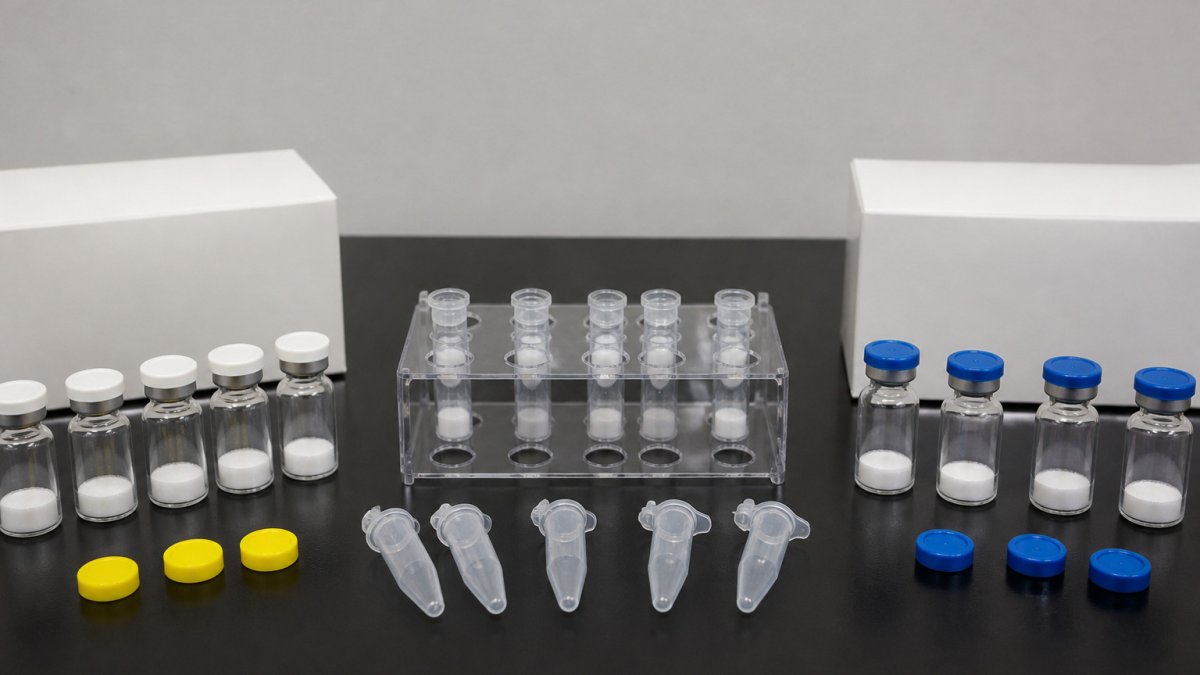
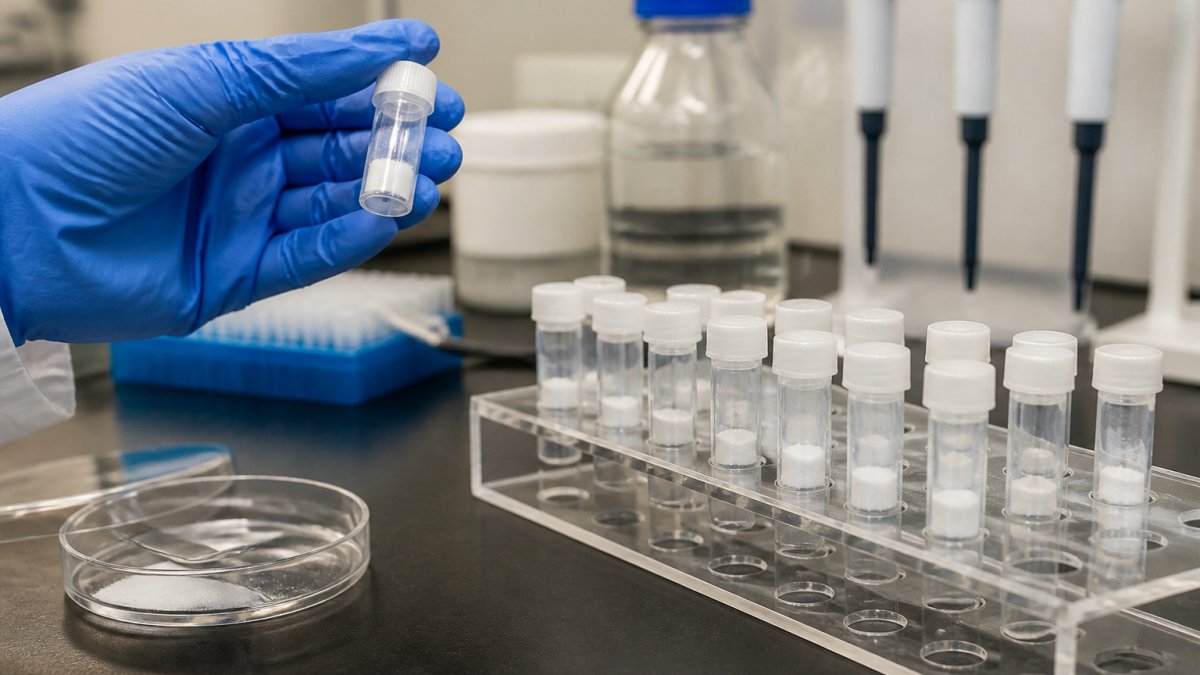
 comparison
Is Bluegrass Research a Good Alternative to Protide Health?
Last Updated: October 27, 2026
Quick Summary
Bluegrass Research can be evaluated as a Protide Health alternative for academic research if its documentation holds up. A research peptide supplier should provide a lot-specific certificate of analysis that matches your vial, names the testing laboratory, and describes the methods used. Verify these details before purchasing.
- Check that the lot number on the certificate matches the number on your vial label.
- Confirm the certificate identifies the testing laboratory and the analytical methods used.
- Review purity and identity results together, and confirm they identify the specific lot.
- Request the lot-matched certificate of analysis and the testing partner's name before committing.
- Confirm your institution's purchasing requirements with its procurement office before ordering.
Table of Contents
- What to Check in a Research Peptide Supplier
- Reviewing Lot-Specific Certificate of Analysis Documentation
- How Bluegrass Research and Protide Health Compare
- Understanding Research-Use-Only Labeling and Compliance
- Storage, Handling and Shipping Considerations for Research Peptides
- Requesting a Quote and Documentation Pack from Bluegrass Research
- Frequently Asked Questions
Academic labs often reach the point where a supplier that worked well for years stops meeting their documentation standards. When that happens, researchers start looking for a Protide Health alternative for academic research that can show verified purity and traceable paperwork for every order. Bluegrass Research is one option worth evaluating, and this guide from Bluegrass Research explains how to judge any research peptide supplier on the criteria that actually matter. For a more detailed side-by-side look, read the Protide Health vs Midwest Peptide checklist review. A research peptide supplier is a company that sells compounds labeled for laboratory use only, and its value depends on the documentation it provides with each lot.
Researchers working on metabolic compounds such as semaglutide analogs often need to defend their results during peer review, so the supporting records matter as much as the product itself.
What to Check in a Research Peptide Supplier
Start with the documentation, not the price. A research peptide supplier's documentation can be evaluated for whether it identifies the lot, testing method, and results.
Next, confirm who performed the testing. Ask whether the supplier identifies its testing laboratory and describes the methods used.
Finally, look at the supplier's stated storage and shipping information, and check whether its policies fit your institution's purchasing rules.
Reviewing Lot-Specific Certificate of Analysis Documentation
How do you verify that a specific certificate describes the material you received?
The five fields to verify on every COA
A certificate can be reviewed for these five details:
- Lot or batch identifier. Check whether the number on the certificate matches the number on the vial label. For a full walkthrough of telling real lot-specific certificates from generic ones, see the Identifying Legitimate Lot-Specific COAs guide.
- Test date. Note the date the analysis was run.
- Analytical method. Note whether the certificate names the methods used to assess purity and identity.
- Results. Check whether the certificate reports purity and identity results and identifies the lot.
- Testing laboratory. Check whether the documentation identifies the laboratory that performed the analysis.
How to verify the testing laboratory
Check whether the supplier's documentation identifies the analytical laboratory and the methods used.
Reading purity and identity results together
Review the purity and identity information in the documentation and check whether it identifies the lot. If you are unsure how to interpret these numbers, the step-by-step lab guide to reading peptide analysis walks through each result.
Spotting generic or reused documentation
When reviewing documentation, check whether it identifies the specific lot.
- Documentation that does not identify the specific lot.
- Certificates that omit the lot number entirely.
- Certificates that describe a product line in general terms rather than a specific batch.
- A certificate whose format or lab name changes without explanation between orders.
Ask whether the documentation corresponds to the lot you are evaluating.
A review methodology you can disclose
When comparing suppliers, review the documentation available for each and note the date of each document.
How Bluegrass Research and Protide Health Compare
This section outlines criteria for evaluating suppliers using available documentation.
The comparison criteria that matter
Consider these questions when evaluating supplier documentation:
- Lot-specific COA availability before purchase. Check whether the supplier's documentation identifies the lot you are evaluating.
- Testing provenance. Check whether the documentation identifies the testing laboratory and methods.
- Batch-to-batch consistency. Review the available lot-specific documentation for the product.
- Fulfillment and packaging. Review the supplier's stated shipping information.
- Institutional purchasing fit. Check your institution's purchasing requirements with its procurement office.
- Returns and discrepancy policy. Review the supplier's stated policies before ordering.
What each supplier publicly states
Bluegrass Research emphasizes lot-specific certificates of analysis, third-party analytical testing, discreet US shipping with no external branding, and secure storage for research materials. Those are the claims to verify against the checklist above, request the lot-matched COA and the testing partner's name before you commit.
Protide Health is a separate supplier.
Pricing and total cost
Pricing depends on quantity, dates, and delivery. Check Bluegrass Research's website for current prices or request a quote.
Shipping, returns, and customer service
Review each supplier's stated shipping and policy information before ordering.
A practical first-order test
Review the documentation available for the compound you are evaluating.
The article lays out the criteria a researcher should compare across suppliers, along with what Bluegrass Research publicly states.
| Criterion | What to check | Note |
|---|---|---|
| Lot-specific COA | Available before purchase | Confirm it matches the lot |
| Testing provenance | Lab and methods named | Request the testing partner's name |
| Batch consistency | Lot-level documentation | Review across batches |
| Fulfillment | Shipping information | Review stated policies |
| Returns | Discrepancy policy | Review before ordering |
Understanding Research-Use-Only Labeling and Compliance
Check your institution's requirements for purchasing and handling research materials.
Before ordering, confirm your facility's purchasing requirements. Our research peptide documentation requirements guide outlines what paperwork research peptides typically need beyond the labeling itself. Bluegrass Research offers discreet US shipping with no external branding; check with your institution about its documentation requirements.
Storage, Handling and Shipping Considerations for Research Peptides
Follow the storage information provided with the research materials.

Bluegrass Research offers professional storage solutions for research materials.
Requesting a Quote and Documentation Pack from Bluegrass Research
If you want to evaluate Bluegrass Research directly, request a quote and review the lot-specific certificate of analysis and third-party analytical documentation. Check the Bluegrass Research website for current pricing.
Review the available documentation before placing an order.
Frequently Asked Questions
What should academic researchers look for in a research peptide supplier?
Bluegrass Research provides lot-specific COA documentation and third-party analytical testing. Review the documentation available for the materials you are evaluating.
How can researchers verify a peptide supplier's third-party testing?
Bluegrass Research provides lot-specific COA documentation and third-party analytical testing. Review the documentation available for the materials you are evaluating.
Are research-use-only peptides approved for human use?
Bluegrass Research supplies research-grade peptide materials for scientific use. Confirm your institution's requirements before using research materials.
How should research peptides be stored after delivery?
Bluegrass Research offers professional storage solutions for research materials. Review the storage information provided for the materials you are evaluating.