 how-to
Where to Test Peptides for Purity: A Guide
Table of Contents
- Why Testing Peptides for Purity Matters for Research
- Understanding Third-Party Peptide Testing Labs
- Peptide Purity Testing Methods Explained
- How to Interpret a Peptide Certificate of Analysis
- Peptide Certificate of Analysis Verification
- Peptide Testing Cost and Turnaround Time
- Submitting Your Peptide Sample for Testing
- Common Mistakes When Testing Peptides
- Frequently Asked Questions
Last Updated: October 10, 2026
Why Testing Peptides for Purity Matters for Research
Testing peptides for purity is essential for accurate, reproducible results. Contamination or degradation can invalidate months of work and compromise your conclusions.
Third-party verification through independent laboratory testing has become the standard for serious scientific work, providing documented proof of compound integrity.
Understanding Third-Party Peptide Testing Labs
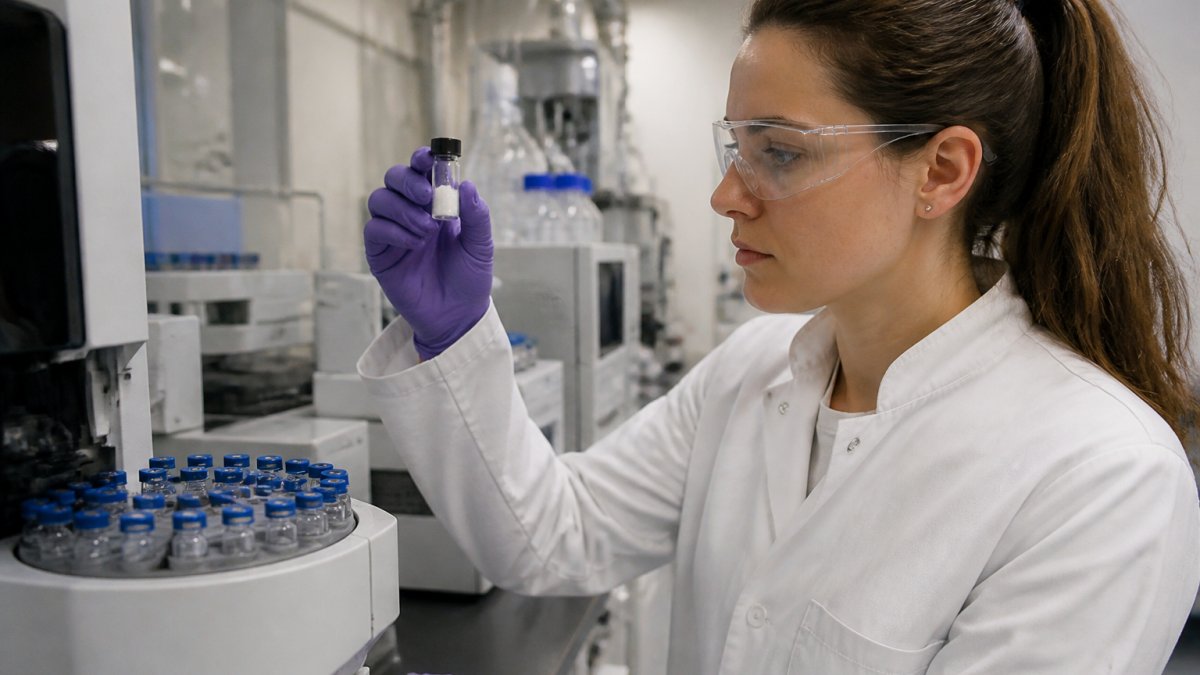
A credible third-party testing laboratory operates independently from the peptide supplier, eliminating conflicts of interest and providing the equipment and expertise to verify sample composition.
What Makes a Laboratory Credible
Credible labs use validated analytical methods, maintain rigorous quality control, and provide batch-specific results. Look for accreditation by recognized standards bodies and transparent pricing, turnaround times, and sample requirements.
HPLC and Mass Spectrometry in Peptide Analysis
HPLC and mass spectrometry are the primary techniques to test peptides for purity. HPLC separates components and quantifies impurities; mass spectrometry confirms molecular weight and identity. Together they provide complete sample composition verification.
Peptide Purity Testing Methods Explained
Understanding the methods behind peptide testing helps you interpret results and choose the right laboratory for your needs. Each analytical technique answers a different question about your sample.
High-Performance Liquid Chromatography (HPLC)
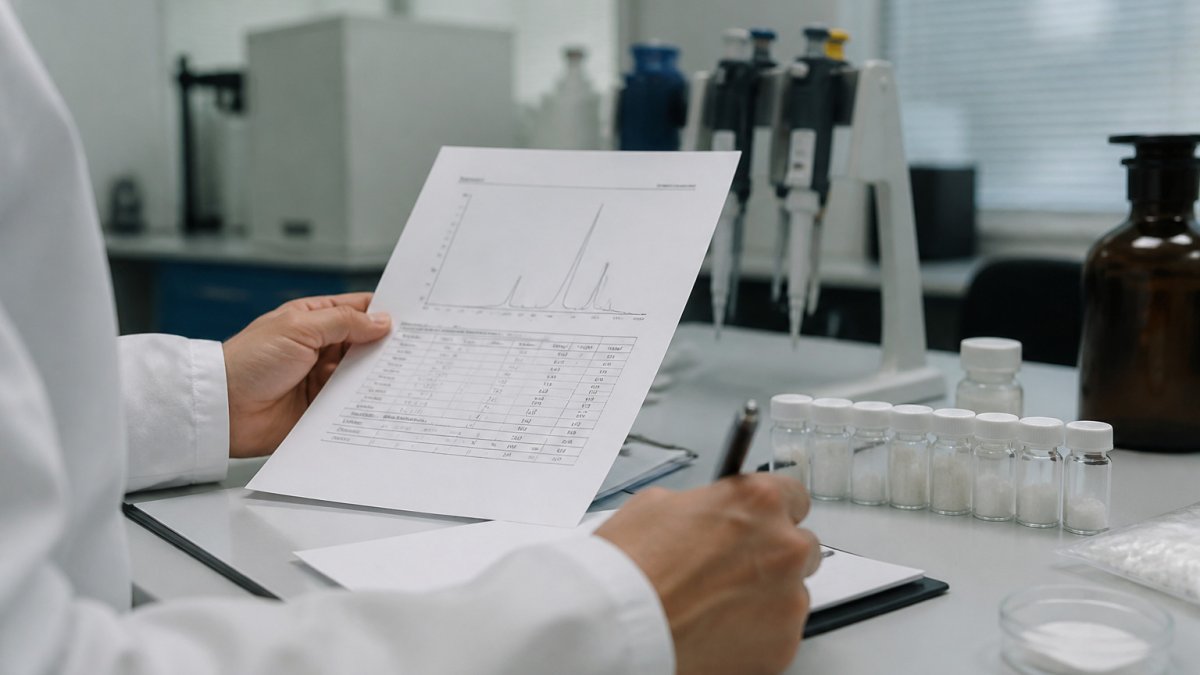
HPLC separates peptide components by their interactions with mobile and stationary phases, creating distinct peaks on a chromatogram. Peak area corresponds to compound concentration; if your peptide comprises 98% of total peak area, purity is 98%. HPLC is the gold standard for purity measurement because it's quantitative and reproducible.
Mass Spectrometry for Identity Confirmation
Mass spectrometry measures mass-to-charge ratios and creates a unique fingerprint for each peptide. Comparing your sample's spectrum to a reference standard confirms identity, critical because two peptides can have similar HPLC purity but different structures.
Purity vs. Identity: Understanding the Difference
Purity measures what percentage of your sample is a single compound; identity confirms it's the compound you ordered. A 99% pure sample could be a degradation product or wrong peptide entirely. Both tests are necessary for complete verification.
How to Interpret a Peptide Certificate of Analysis
A Certificate of Analysis (COA) reports testing results and should include sample name, batch number, testing date, analytical methods, purity percentage, chromatogram or mass spectrum, accreditation status, and analyst name. Always request batch-specific COAs, which document your actual material rather than generic product-line results.
Peptide Certificate of Analysis Verification
Not all COAs are created equal. Verification requires checking whether the document is authentic, whether the testing was actually performed, and whether the results are consistent with proper laboratory practice.
Red Flags in COA Documentation
Red flags include: generic COAs with identical purity across batches (real samples vary due to manufacturing); missing batch numbers, testing dates, or analyst signatures; consistently perfect results above 99.5% (legitimate labs show reasonable batch-to-batch variation).
Batch-Specific vs. Generic Results
Batch-specific COAs include the actual lot number and document testing on that exact batch; generic COAs list typical results without reference to your shipment. Always request batch-specific results to document what you actually received. Bluegrass Research provides lot-specific COA documentation with every order.
Peptide Testing Cost and Turnaround Time
Testing costs and timelines vary by peptide type, analytical methods, and lab capacity. Understanding these factors helps you plan your timeline and budget.
Cost Breakdown by Test Type
Peptide testing is typically priced as a combination of base fees and method-specific charges.
Factors Affecting Testing Pricing
Peptide complexity: Simple peptides (5-15 amino acids) cost less; unusual amino acids or modifications add $100-$300. Sample quantity: Samples < 5 mg incur $50-$150 fees; extreme purity levels add $50-$200. Accreditation: ISO 17025-certified labs charge 20-40% more than non-accredited facilities. Volume discounts: Multiple samples may reduce per-sample cost by 10-20%. Custom methods: Non-standard tests add $200-$500+.
Standard Turnaround Times and Planning
Standard processing: 5-10 business days from sample receipt. Expedited: 2-3 business days for 25-50% surcharge. Rush/same-day: Rare, 75-100% premium, usually HPLC only. Seasonal delays: Peak periods may extend timelines 2-5 days; confirm current turnaround times with labs.
Creating a Cost and Timeline Comparison
When evaluating multiple laboratories, request a formal quote that includes:
- Base cost for each test type (HPLC, mass spectrometry, etc.)
- Total cost for your specific test combination
- Turnaround time from sample receipt (not from order date)
- Expedited processing cost and timeline (if needed)
- Minimum sample size and any small-sample fees
- Format and delivery method for results (PDF, printed report, raw data files)
- Accreditation status and quality certifications
- Batch-specific vs. generic COA (batch-specific should be standard)
Create a simple comparison table:
| Lab | HPLC Cost | MS Cost | Combined Cost | Standard Turnaround | Expedited Cost | Accredited | Batch-Specific COA |
|---|---|---|---|---|---|---|---|
| Lab A | $200 | $250 | $400 | 7 days | +$100 | Yes | Yes |
| Lab B | $250 | $300 | $500 | 5 days | +$150 | Yes | Yes |
| Lab C | $150 | $200 | $300 | 10 days | +$75 | No | No |
The lowest cost is not always the best choice. A lab offering no accreditation or batch-specific documentation may deliver results you cannot defend in a publication or regulatory submission. A lab providing ISO 17025 accreditation and detailed batch-specific reports may be worth the premium if your research requires credible, auditable results.
Hidden Costs and Questions to Ask
Before committing, clarify: minimum order/sample fees; failed analysis charges; report contents (numerical result only vs. chromatograms and methodology); re-analysis policies; sample retention duration and re-testing costs.
Submitting Your Peptide Sample for Testing
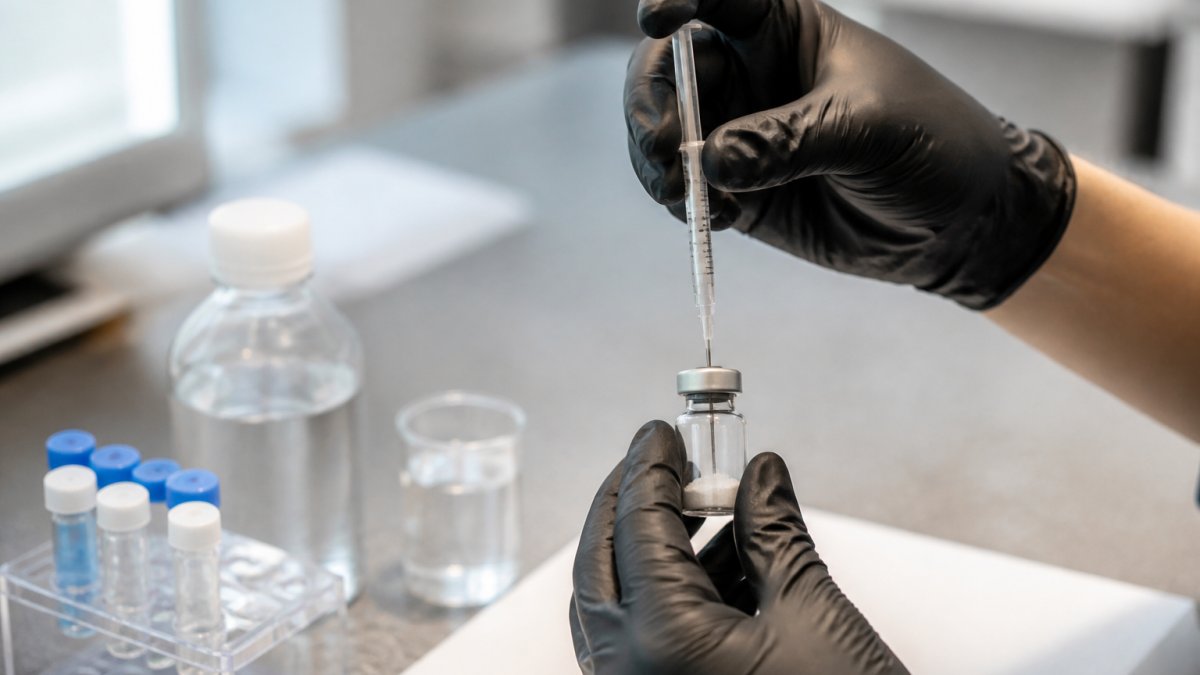
Proper sample handling and submission are critical for accurate results. Peptides degrade if exposed to heat, light, or moisture. A structured submission process reduces risk of sample loss, contamination, or invalid results.
Step-by-Step Sample Preparation
1. Verify sample quantity and condition: Confirm at least 10-50 mg available; inspect for damage, discoloration, or crystallization. 2. Store appropriately: Lyophilized peptides at −20°C or colder in airtight, desiccated containers; avoid room temperature storage. 3. Label clearly: Include peptide name, batch number, receipt date, and your identifier. 4. Document history: Note receipt date, storage conditions, and whether opened.
Contacting the Laboratory and Confirming Requirements
Contact the lab to confirm: minimum sample size (5-50 mg); shipping address and receiving hours; cold shipping requirements; turnaround time for your specific tests; availability of rush processing; sample submission form requirements.
Packaging and Shipping Your Sample
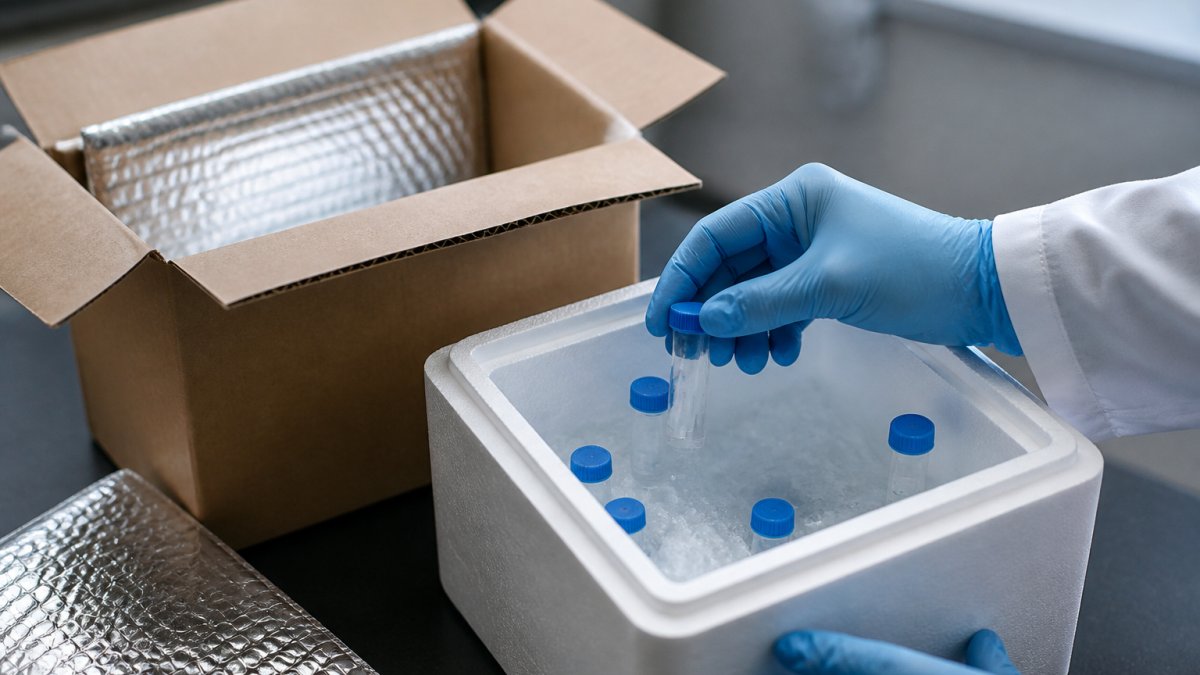
Use insulated mailer with cold packs or dry ice (allow sublimation; check carrier regulations). Wrap sample in bubble wrap and center it in the box. Use tracked shipping with signature confirmation; consider insurance. Ship Monday-Wednesday to avoid weekend delays; confirm lab's receiving schedule.
Sample Submission Documentation
Include a completed submission form or cover letter with your sample. This document should contain:
| Information | Example | Purpose |
|---|---|---|
| Your name and contact information | John Smith, john@university.edu, 555-0123 | Lab can reach you with questions or results |
| Peptide name and sequence | GGAADDEE or "GLP-1 analog variant 3" | Confirms identity and allows lab to select appropriate methods |
| Expected molecular weight | 1,247.5 Da | Lab can verify identity against mass spectrometry results |
| Batch or lot number | Lot #2026-0847 | Ensures traceability and batch-specific documentation |
| Date received | October 1, 2026 | Helps interpret degradation or storage-related issues |
| Storage conditions maintained | −20°C, desiccated, unopened | Lab understands sample history |
| Analytical methods requested | HPLC for purity + mass spectrometry for identity | Lab knows exactly what tests to perform |
| Deadline for results | November 1, 2026 | Lab prioritizes accordingly |
| Desired report format | PDF with chromatogram and mass spectrum | Lab delivers results in usable form |
| Special handling notes | "Peptide is prone to aggregation; minimize vortexing" | Lab takes precautions during analysis |
Common Submission Errors to Avoid
Insufficient sample mass: Sending too little peptide forces the lab to either reject the sample or perform testing with reduced accuracy. Always confirm the minimum requirement and send at least 20% more than the stated minimum to account for lab intake procedures.
Missing or incomplete documentation: Vague sample names, missing batch numbers, or unclear test requests cause delays. The laboratory may contact you for clarification, extending turnaround time by several days.
Improper temperature control during shipping: Peptides shipped at room temperature or in inadequate insulation may degrade in transit. Even a 2-3 day delay at warm temperatures can reduce purity. Always use cold packs or dry ice, especially for samples sensitive to heat.
Shipping to the wrong address or at the wrong time: Confirm the lab's current mailing address and receiving schedule before shipping. Samples sent to outdated addresses or arriving on weekends may be delayed or mishandled.
Failing to communicate special requirements upfront: If your peptide requires specific handling (e.g., inert atmosphere, minimal light exposure, or avoidance of certain solvents), state this clearly in your submission form. Labs cannot accommodate unstated needs.
Common Mistakes When Testing Peptides
Researchers often make preventable errors when arranging peptide testing. Understanding these mistakes helps you avoid delays, wasted resources, and invalid results.
Submitting insufficient sample volume is a common problem. Always confirm the minimum sample size with your laboratory before shipping. Sending a sample that's too small forces the lab to either reject it or perform testing with reduced accuracy.
Failing to communicate special requirements is another frequent mistake. If your peptide requires specific handling or if you need results in a particular format, state this clearly upfront. Assumptions about laboratory procedures often lead to disappointment.
Many researchers wait too long to arrange testing, discovering only when they contact a laboratory that turnaround times are longer than expected. Plan your testing timeline early in your research schedule, especially if you're working with tight deadlines.
Neglecting to verify COA authenticity is a critical oversight. Don't assume a professional-looking document is legitimate. Contact the testing laboratory directly to confirm they performed the analysis and that the results match their records.
Finding the right laboratory to test peptides for purity requires balancing credibility, cost, and convenience. The most reliable approach combines third-party verification with batch-specific documentation and transparent communication about testing methods and results.
At Bluegrass Research, we recognize that researchers need verified purity and documentation they can defend. Our commitment to lot-specific COA documentation and transparent verification records means every peptide order comes with the analytical proof your research demands. When your work depends on compound integrity, choose a partner that prioritizes verification over convenience.
Frequently Asked Questions
Where can I send a peptide sample for independent testing?
Independent laboratories offering peptide testing services are available across the United States. Look for facilities specializing in analytical chemistry and pharmaceutical testing that perform HPLC and mass spectrometry analysis. Verify that the laboratory is accredited, provides batch-specific Certificates of Analysis, and has experience with research-grade peptides. Your supplier should be able to recommend third-party testing labs, or you can contact laboratories directly to discuss sample submission procedures, turnaround times, and pricing for peptide purity analysis.
How do I verify that a peptide certificate of analysis is genuine?
Verify COA authenticity by checking for batch-specific results, lot numbers that match your sample, and the laboratory's contact information. Contact the testing laboratory directly to confirm they issued the document. Legitimate COAs include specific purity percentages (not generic claims), analytical methodology details, and the testing date. Be cautious of generic COAs lacking batch identifiers or showing identical results across multiple products. Request documentation of the lab's accreditation and ask whether results are available in their online database for independent verification.
What analytical methods are used to test peptide purity?
High-performance liquid chromatography (HPLC) is the primary method for measuring peptide purity percentages. Reverse-phase HPLC separates peptide components and quantifies the primary compound versus impurities. Mass spectrometry confirms peptide identity by measuring molecular weight and structure. Some laboratories combine both methods for comprehensive analysis. HPLC provides purity data, while mass spectrometry verifies you have the correct peptide compound. The choice of method depends on your testing goals: purity analysis, identity confirmation, or both. Research-grade testing typically includes both techniques for complete verification.
How much does third-party peptide testing cost?
Peptide testing cost varies based on the analytical methods used, sample quantity, turnaround time, and the laboratory's location and credentials. Basic HPLC testing typically costs less than combined HPLC and mass spectrometry analysis. Rush or same-day testing carries premium pricing. Many laboratories offer tiered pricing for multiple samples or recurring testing. Contact independent testing labs directly for quotes, as pricing depends on your specific peptide compound and testing requirements. Bluegrass Research provides lot-specific COAs with each order.