 comparison
Are Generic Peptide Reconstitution Kits Worth It? 2026 Review
Table of Contents
- Peptide Reconstitution Kits Compared: Generic vs. Professional
- What Generic Kits Actually Include
- The Hidden Costs of Cheap Supplies
- Bacteriostatic Water vs. Sterile Water for Peptides
- How to Reconstitute Research Peptides Safely
- The Importance of Third-Party Analytical Documentation
- Cost-Benefit Analysis: DIY vs. Pre-Packaged Kits
- Sterility and Contamination Risks in Generic Kits
- Verdict: When Generic Peptide Reconstitution Kits Make Sense
- Conclusion: Prioritizing Integrity Over Convenience
- Frequently Asked Questions
Last Updated: September 27, 2026
Peptide Reconstitution Kits Compared: Generic vs. Professional
Generic peptide reconstitution kits are worth it only in narrow cases. For most academic and biotech researchers, the gap in documentation, sterility, and cold-chain handling makes them a liability.
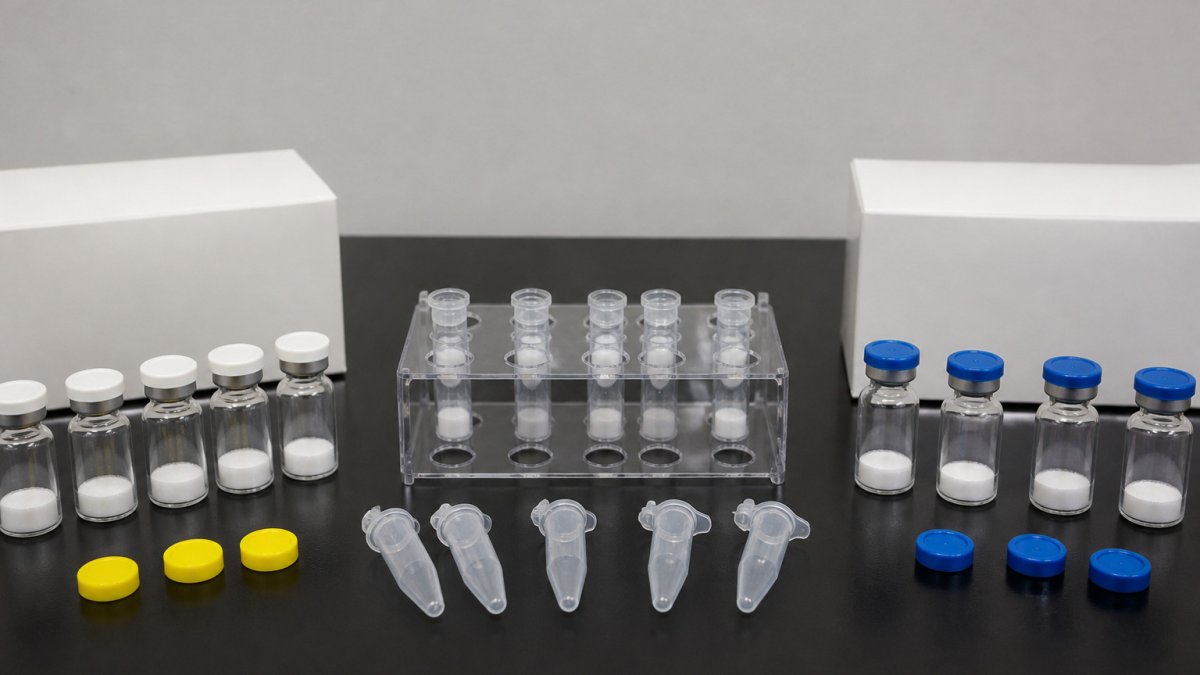
A peptide reconstitution kit is a bundled set of supplies used to dissolve lyophilized peptide powder into a liquid solution for laboratory analysis: typically bacteriostatic water, sterile syringes, alcohol swabs, and a mixing vial.
The problem is that "kit" means almost nothing on a product page.
What Generic Kits Actually Include
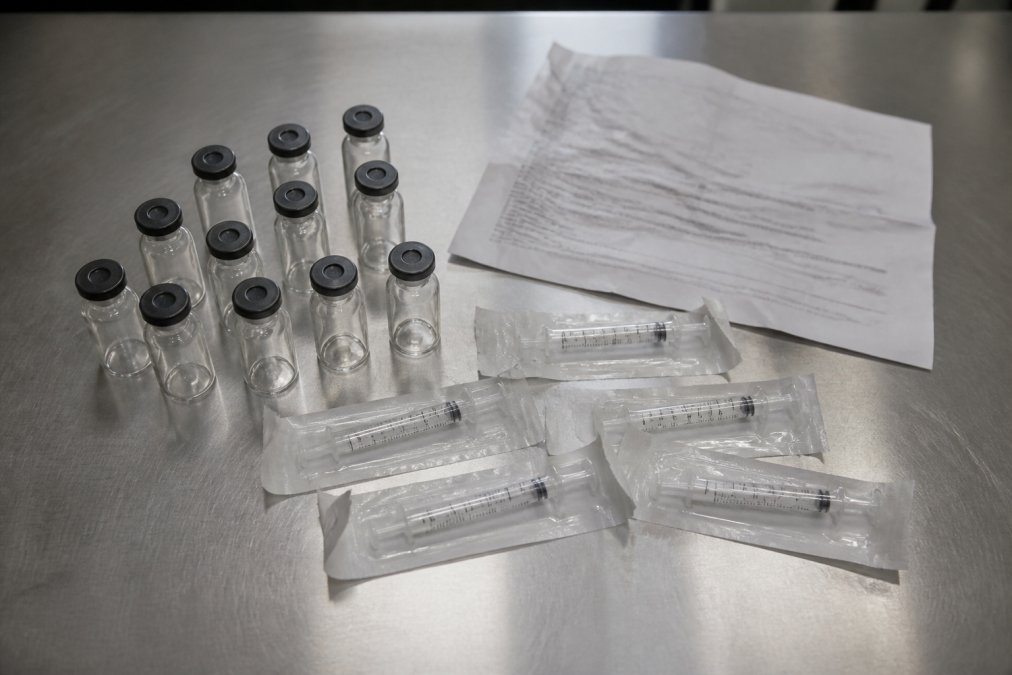
Most generic kits include the same short list: bacteriostatic water, insulin syringes, alcohol prep pads, and sometimes a mixing vial.
The Hidden Costs of Cheap Supplies
The sticker price of a generic kit is not the real cost. The real cost shows up later, in failed runs and repeat orders.
Bacteriostatic Water vs. Sterile Water for Peptides
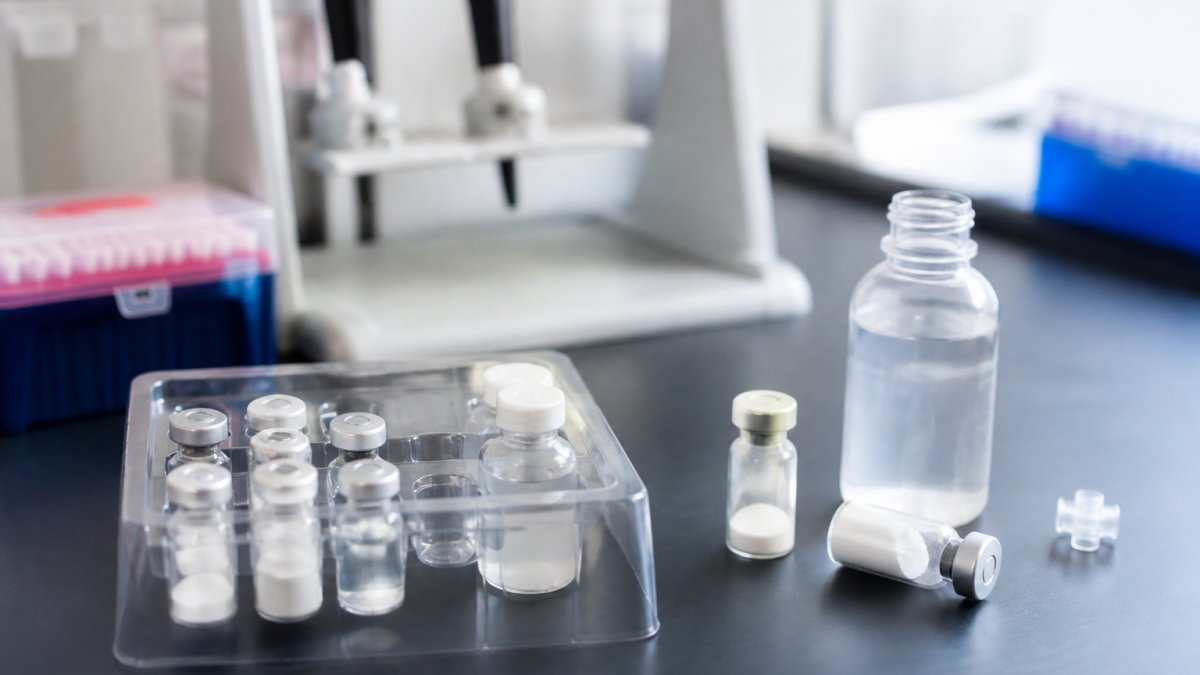
Bacteriostatic water is the correct choice for most peptide reconstitution. Its benzyl alcohol slows bacterial growth, so a reconstituted vial can be used across multiple sessions; sterile water has no preservative and is single-use only, so drawing from it over several days introduces contamination risk with every entry. Bacteriostatic water reduces that risk, but only if it is genuinely pharmaceutical-grade and properly sealed.
How to Reconstitute Research Peptides Safely
Safe reconstitution follows a fixed, documented sequence: sanitize, vent, inject the water down the vial wall, swirl, and store cold. Skipping any step raises contamination risk and can degrade the compound.
Step-by-Step Workflow for Contamination-Free Reconstitution
- Wipe the bench with 70% isopropyl alcohol and let it air-dry.
- Remove the flip-off cap from the peptide vial and swab the rubber stopper.
- Draw your chosen water into a sterile syringe, then swap to a fresh needle.
- Insert the needle at an angle and aim the stream at the glass wall, not the powder.
- Swirl gently. Never shake, which can damage the peptide structure.
- Vent pressure if the vial was sealed under vacuum.
- Label the vial with the date, concentration, and lot number.
- Store at refrigerator temperature, protected from light.
The Importance of Third-Party Analytical Documentation
Third-party analytical documentation is the clearest divider between generic and professional kits. A lot-specific certificate of analysis tells you the purity, identity, and testing method for the exact batch you received, not a generic spec sheet.
Cost-Benefit Analysis: DIY vs. Pre-Packaged Kits
The comparison below is built around the tasks you perform on every reconstitution, not sticker price alone. The three sourcing paths, generic kit, DIY sourcing, and pre-packaged professional kit, each shift cost between money, time, and risk.
| Approach | Upfront Cost | Documentation | Contamination Risk | Best For |
|---|---|---|---|---|
| Generic kit | Lowest | None or generic | Higher | Non-critical pilot runs |
| DIY sourcing | Low to medium | Varies by vendor | Varies | Labs with existing QC |
| Pre-packaged professional | Higher | Lot-specific COA | Lower | Published or audited research |
The Task-Level Breakdown
A single reconstitution touches six tasks, each with a labor and failure cost. Your sourcing path determines who absorbs them.
- Sourcing the peptide. DIY means vetting vendors, comparing spec sheets, and waiting on quotes. A pre-packaged kit bundles this into one order.
- Sourcing the water. Bacteriostatic water with lot documentation is the bottleneck. Generic kits often ship undocumented water; DIY lets you buy it separately but adds a vendor relationship; professional kits include it with traceable lots.
- Sourcing consumables. Syringes, needles, swabs, and mixing vials. These are cheap individually but add shipping, storage, and inventory overhead when bought piecemeal.
- Verification. Reading COAs, cross-checking lot numbers, and filing records. This is the task generic kits eliminate by simply not providing the inputs.
- Reconstitution itself. The hands-on work is identical across all three paths. The kit does not change the technique.
- Documentation and archiving. Labeling, logging, and storing records for audit or peer review. Professional kits make this a filing exercise; generic kits make it impossible.
Where the Money Actually Goes
Most practitioners find the visible cost of supplies is a minority of the total cost of a reconstitution. The larger share is verification labor and the cost of a failed run.
When DIY Wins
DIY sourcing wins in one configuration: a lab that already owns the supporting equipment, has a quality-control function that can verify incoming materials, and runs enough volume that per-unit savings compound. The savings are real, but they pay for the verification labor the lab now performs in-house.
When Pre-Packaged Wins
Pre-packaged professional kits win when the cost of a failed run exceeds the kit premium, most published research, audited work, and studies where reproducibility is the point.
A Note on Scale
At low volume, the per-order premium on a professional kit is most visible. At high volume, the per-unit premium shrinks relative to verification labor, so labs that scale up often find the professional path cheaper per run. The reverse is also true: a lab running a handful of pilot reconstitutions a year may never recoup the verification labor that makes DIY sourcing safe.
Sterility and Contamination Risks in Generic Kits
Contamination in generic kits is not a single failure; it is a chain of small failures, each invisible until the run is already compromised.
The Four Contamination Pathways
1. Compromised vial seals. A peptide vial is sealed with a rubber stopper held by an aluminum crimp. If the crimp is loose, the stopper can lift slightly during transit and the headspace exchanges air with the environment. You cannot see this after the fact, and without sterility testing documentation, you have no way to know.
The Cold-Chain Problem
Temperature is the second major risk, distinct from sterility. Peptides degrade when exposed to heat or repeated freeze-thaw cycles; degradation is not contamination, but it produces the same outcome: data you cannot trust. Generic kits often ship without cold-chain control, so a kit that sits in a delivery truck in summer may arrive with a compound that has already lost potency.
Why You Cannot Inspect Your Way Out of This
Sterility and cold-chain control are not features you can verify after delivery. A clear solution is not proof of sterility. A sealed vial is not proof of an intact seal. A cold pack in the box is not proof the compound stayed cold the whole way.
What Good Documentation Looks Like
A supplier that takes sterility and cold-chain seriously provides three things: lot-specific sterility testing records for the water and consumables, a certificate of analysis for the peptide itself, and a shipping protocol that documents temperature control. When those records exist, the risk is bounded and traceable; when they do not, the risk compounds with each reconstitution.
Verdict: When Generic Peptide Reconstitution Kits Make Sense
Generic peptide reconstitution kits make sense for one scenario: early-stage, non-critical pilot work where you are testing a protocol and the results will not be published or audited. In that narrow case, the savings are real and the risk is tolerable.
Conclusion: Prioritizing Integrity Over Convenience
The hardest part of peptide research is not the reconstitution itself. It is proving that what you tested was what you thought it was.
Frequently Asked Questions
What is included in a standard peptide reconstitution kit?
A standard kit typically includes the peptide vial, a diluent like bacteriostatic water, syringes for mixing and dosing, and alcohol swabs. Generic peptide reconstitution kits often lack detailed instructions or lot-specific documentation. Professional kits from Bluegrass Research include third-party analytical documentation and verified purity records so you can confirm exactly what you are working with before starting any experiment.
Why is the quality of bacteriostatic water critical for peptide stability?
Bacteriostatic water contains 0.9% benzyl alcohol, which prevents bacterial growth and extends the shelf life of reconstituted peptides. Sterile water lacks this preservative, so it is best for single-use applications. Using low-quality or contaminated water can degrade peptides or introduce contaminants. For multi-dose research protocols, bacteriostatic water vs sterile water for peptides is a decision that directly affects compound integrity and experimental reproducibility.
Are generic reconstitution kits sterile?
Not always. Generic kits may cut corners on sterilization or packaging, increasing contamination risk. Sterility and contamination risks are two of the biggest reasons researchers move away from generic supplies. Professional-grade kits are assembled under quality assurance protocols and often include sterility documentation. If a supplier cannot provide proof of sterility, assume the risk is present.
What should researchers look for in professional-grade reconstitution tools?
Look for lot-specific certificates of analysis, third-party testing documentation, and clear storage recommendations. The importance of third-party analytical documentation cannot be overstated: it verifies purity, concentration, and identity. Also check for sterile packaging, proper labeling, and technical support. These factors separate research-grade supplies from generic peptide reconstitution kits that may compromise your study.
How does proper storage affect peptide integrity after reconstitution?
After reconstitution, peptides are less stable and more vulnerable to temperature fluctuations, light, and bacterial growth. Most reconstituted peptides should be stored at 2-8°C (36-46°F) and used within a defined window. Bacteriostatic water helps extend stability, but improper storage still degrades compounds. Professional kits include storage guidance and quality assurance records so you can track integrity throughout your study.